October 30, 2026
Family videos capture moments that photographs cannot fully preserve. Birthday celebrations, family gatherings, childhood milestones, and holiday traditions all hold memories of people and experiences that matter. Over time, older recordings can become harder to watch as playback equipment becomes less common and recording formats age. A pro video transfer service can help preserve these recordings in a more accessible format. Understanding how professional video transfer works can help families protect meaningful moments and make them easier to revisit for years to come.
Preserving Meaningful Moments
Family recordings often capture everyday experiences that become more meaningful with time. A child's first steps, a grandparent telling a story, or relatives gathering for a special occasion can bring back memories that might otherwise fade. These recordings also preserve voices, expressions, and interactions that still photographs may not capture. Older tapes and recordings can become difficult to access as equipment ages or becomes less available. Some families may have boxes of recordings stored away without a convenient way to watch them. When these memories remain inaccessible, opportunities to share them with relatives can become limited. A pro video transfer service helps make older recordings easier to view by converting them into a more current format. This process can give families a practical way to revisit important moments without relying on older playback equipment. Preserving these recordings also helps keep family history available for future generations.
Protecting Aging Recordings
Older video recordings can become more vulnerable to damage as they age. Tapes may deteriorate over time, and storage conditions can affect their condition. Heat, moisture, dust, and improper storage may contribute to problems that make recordings harder to play or preserve. Even when a tape appears to be in good condition, its contents may become more difficult to access as playback equipment grows less common. Older devices may need maintenance, and compatible parts may be harder to find. This can make it challenging for families to view their recordings when they want to revisit them. Transferring recordings to a digital format can help reduce dependence on aging tapes and equipment. Although conversion cannot restore every damaged recording or guarantee that every detail will remain unchanged, it can create a more convenient version for viewing and storage. Seeking professional help can also provide guidance on handling older recordings and choosing a suitable transfer approach.
Converting Videos for Easier Access
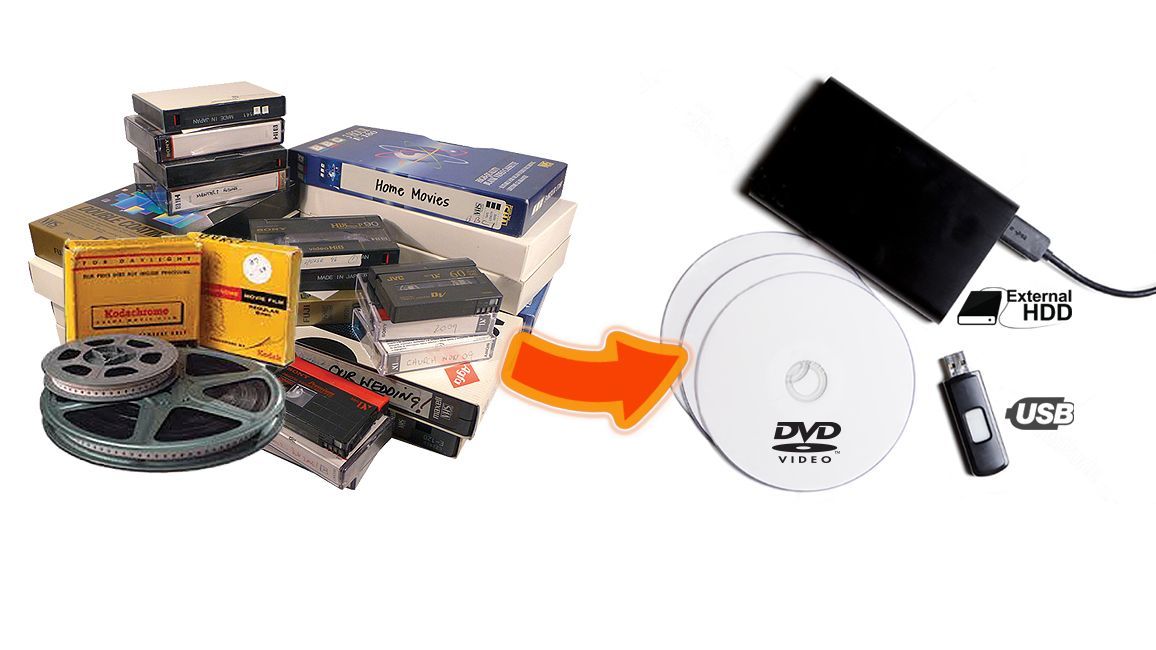
One of the main benefits of video transfer is improved access. Older recordings may be stored in formats that require specific equipment, making it inconvenient to watch them. A converted version can be easier to view on compatible modern devices, depending on the output format and available playback options. Access matters when family members live in different places or want to revisit recordings for special occasions. Digitized videos can be easier to organize and share when stored in a compatible format. Families may also be able to create copies for relatives who want to keep their own collections.
The conversion process takes time, especially when many recordings need to be transferred. According to the Arlington Heights Memorial Library, conversion happens in real time, meaning a two-hour VHS tape will take two hours to convert. This means a collection of several long recordings may require a substantial amount of processing time. Understanding the time involved can help families plan ahead and decide which recordings they would like to transfer first. A pro video transfer service can help manage this process by converting recordings into accessible formats based on the available options. Families can discuss the size of their collection and the condition of their recordings to determine a practical approach.
Organizing Family Collections
Many families have recordings collected over several decades. These may include birthday parties, vacations, school events, family gatherings, and other milestones. When tapes are stored without labels or organized records, it can be difficult to identify what each one contains. Organizing a collection before transfer can make the process easier to manage. Families can group recordings by event, approximate date, person, or stage of life. Even basic labels can help identify important videos and establish which recordings should be handled first.
It may also be useful to create a simple record of the collection. A list of tape labels, known dates, and notable events can help family members keep track of what has been transferred. Once the recordings are converted, clear file names can make it easier to locate specific memories without searching through every video. Some recordings may contain events that are especially important to preserve, while others may include repeated footage or unclear content. Reviewing the collection's known details can help families set priorities. Seeking professional help can also clarify how different recording formats may affect the transfer process.
Choosing Suitable Storage Options
After recordings are converted, families need a practical way to store and access them. The right option depends on how often the videos will be viewed, who needs access, and how much storage space the collection requires. Some families prefer keeping copies on physical storage devices, while others may use compatible digital storage systems. Keeping more than one copy can help protect important files if a device is lost, damaged, or stops working. Copies should be stored separately when possible, rather than relying on a single location. Families should also check their storage devices from time to time and move files to updated storage when necessary.
Digital files still require care. Devices can fail, file formats may become less common, and accounts used for online storage may have changing terms or limits. Keeping track of where files are stored and who can access them can help families manage their collections over time. A pro video transfer service may offer different output options, depending on the original recording and available equipment. Asking about file compatibility, storage formats, and how the finished recordings will be provided can help families choose an option that fits their needs.
Maintaining Video Quality
The quality of a recording depends on several factors, including the condition of the original tape, the recording format, and the transfer process. Older footage may have faded colors, visual noise, uneven sound, or other signs of age. Transfer can make the content easier to access, but it does not automatically remove every flaw from the original recording. Setting realistic expectations helps families understand what a transfer can achieve. Some recordings may retain clear images and sound, while others may show visible wear. Damaged or incomplete sections may remain difficult to view, even after conversion.
Professional handling can help reduce the risk of problems during the transfer process. Families can ask how their recording formats are assessed, how the original media will be handled, and what output options are available. If a recording has particular sentimental value or appears damaged, mentioning those concerns before transfer can help establish appropriate expectations. Preserving the original tapes may also be worthwhile when possible. A digital copy provides a convenient way to watch the footage, while the original recording can remain part of the family's collection. Both versions may have value for different reasons.
Family videos preserve voices, celebrations, milestones, and stories that help connect generations. As recording media and playback equipment age, transferring older footage can make these memories easier to access and share. Planning the conversion, choosing suitable storage, and keeping digital files organized all contribute to long-term preservation. Every collection is different, and the condition and format of the original recordings can affect the available options. Seeking professional help can make it easier to understand the transfer process and plan for preserving meaningful footage. Contact United Audio Video Group, Inc to discuss how a pro video transfer service can help keep your family's memories accessible for years to come.